Seller guide
How to Sell Surplus Electrical Wire
Six steps, in order, with the mistake that costs sellers money at each one.
- Paid before pickup
- No sorting required
- Freight and loading covered
- Any gauge, full or partial reels

Request a Quote
Have material to sell while you read? Send a reel tag photo for a same-day number.
Step 1: photograph the reel tags before anything else
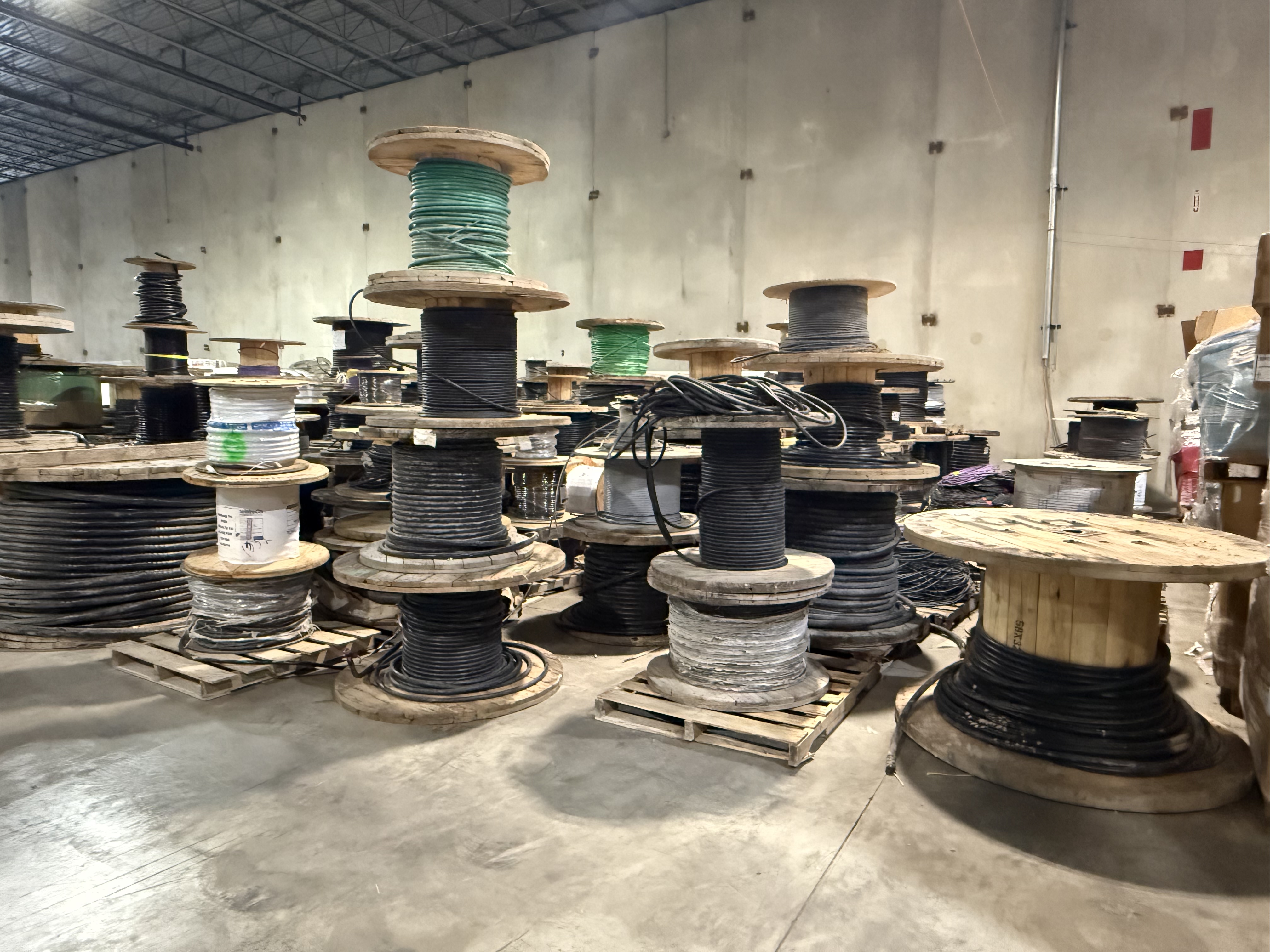
The reel tag is the single most valuable piece of information about your wire. It carries the manufacturer, the conductor size, the type designation, the voltage rating, the metal and usually the original footage put on the reel. A buyer who can read your tags can price a pallet in minutes; one who cannot has to guess conservatively, and conservative guesses always come in low.
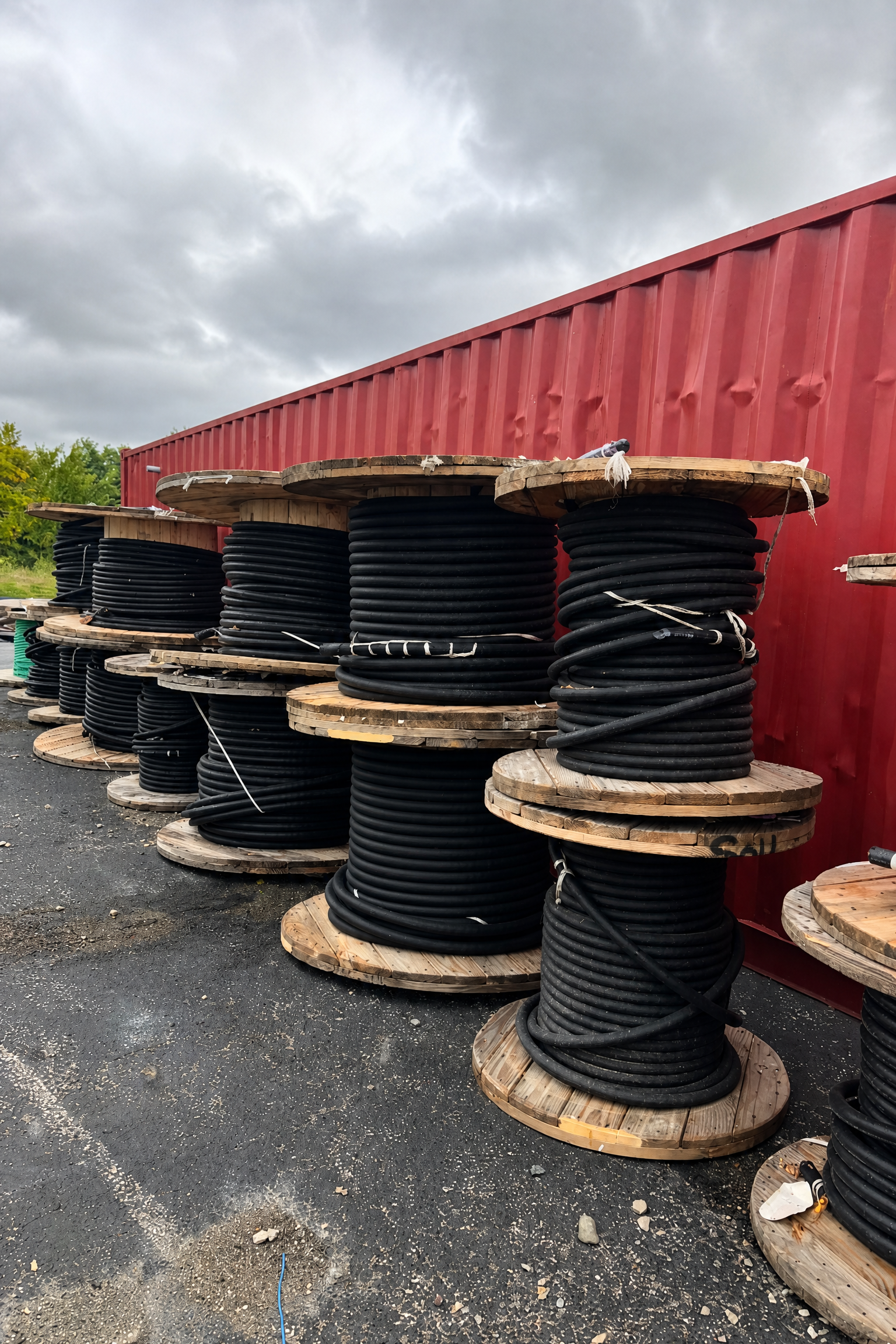
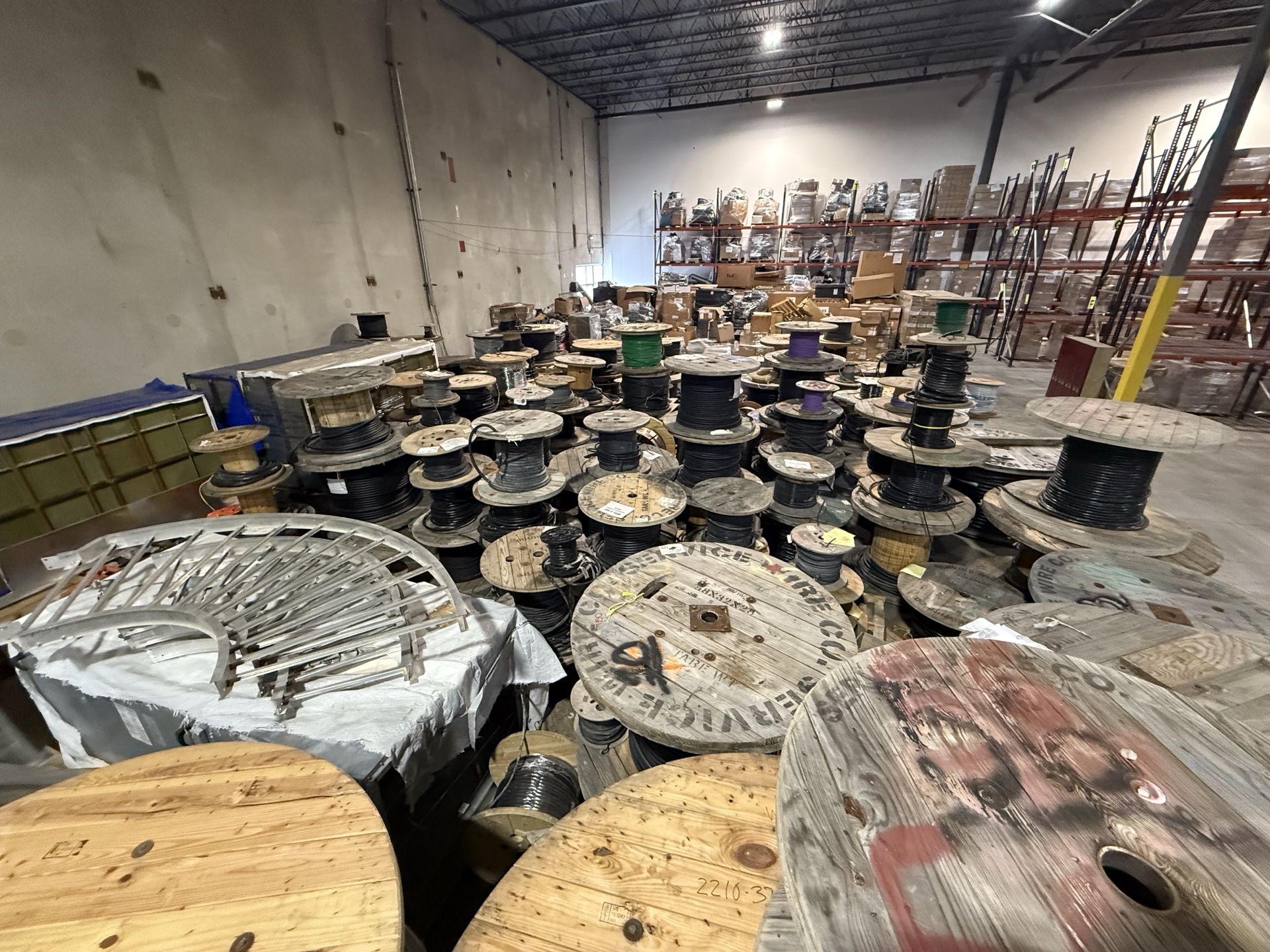
Photograph each tag straight on, close enough to read, and then take one wide shot of the whole pile so we can see how many reels there are and how they are stacked. If the tags have been torn off, photograph the print legend on the jacket instead; the size and type are printed along the insulation every few feet and that is enough to work with.
Step 2: do not strip it and do not cut it up
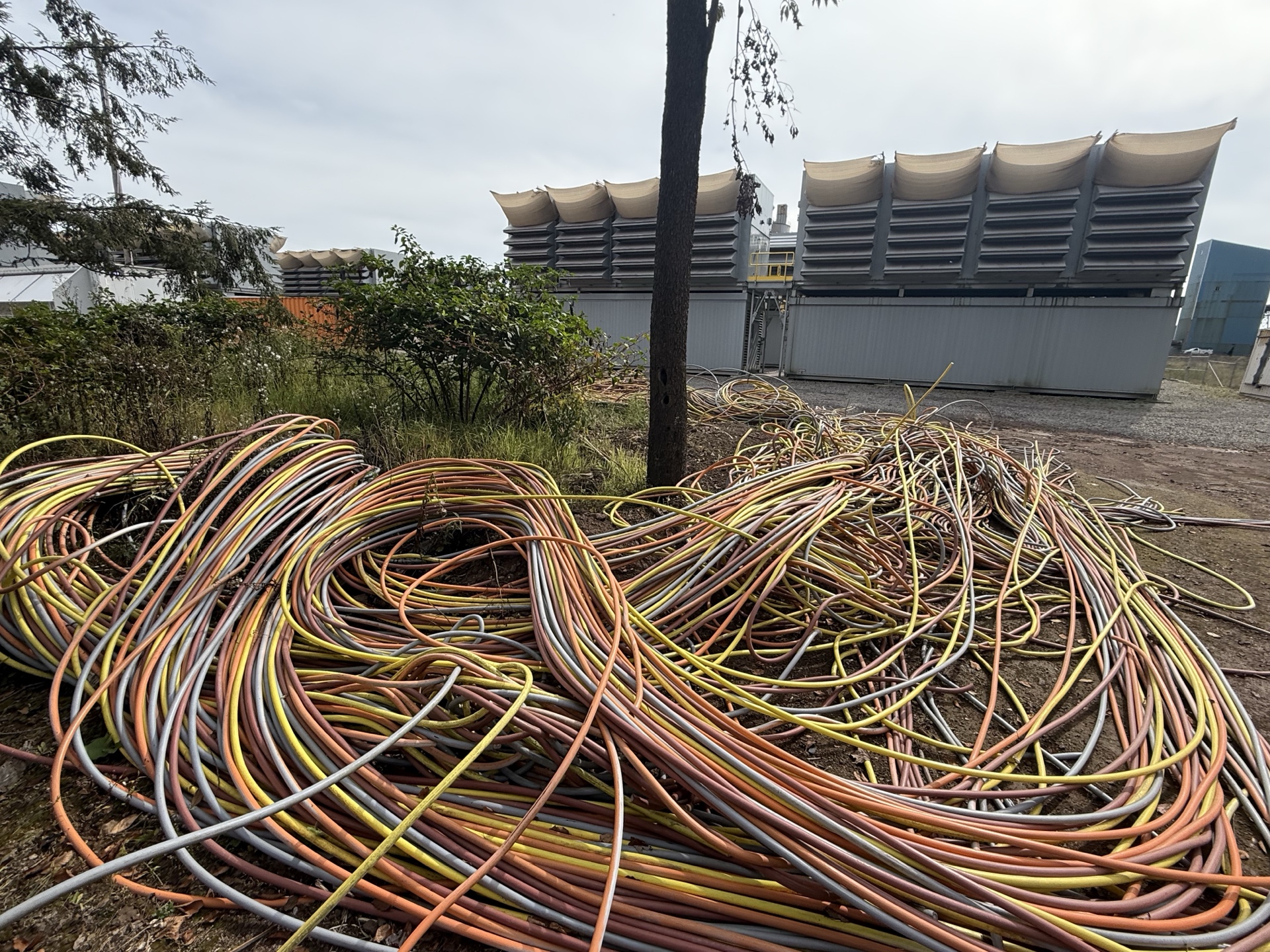
The two irreversible mistakes are stripping the insulation and cutting long lengths into short pieces. Stripping converts resale-grade wire into bare copper priced by the pound, which is the lowest number anyone will ever quote you. Cutting a 1,000 foot reel into a dozen 80 foot pieces destroys most of its value because the next contractor needs a continuous run, not a box of offcuts.
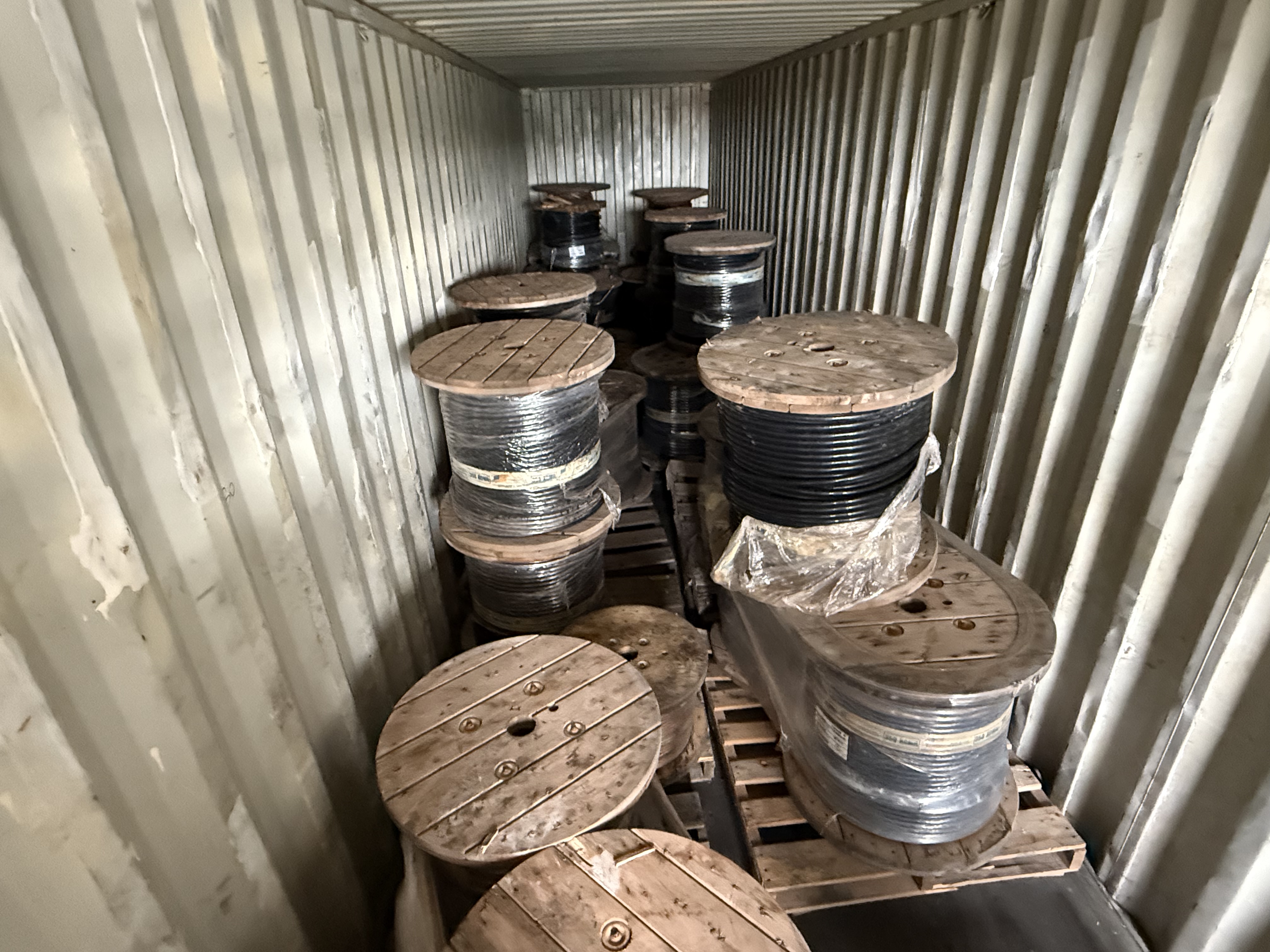
Both of these are usually done with good intentions, to make the material easier to move or to 'clean it up' before a buyer arrives. It is not necessary. We would rather collect a messy pallet of full reels than a tidy pile of cut lengths, and we will pay substantially more for the messy version.

Step 3: find out whether it is resale-grade or scrap-grade
Resale-grade means somebody will install it: the conductor is intact, the insulation is not cracked or heat-damaged, the size and type are current, and there is enough continuous length to be useful. Scrap-grade means the value is in the metal: the insulation is brittle or burnt, the lengths are short, the conductor is corroded, or the type is obsolete.
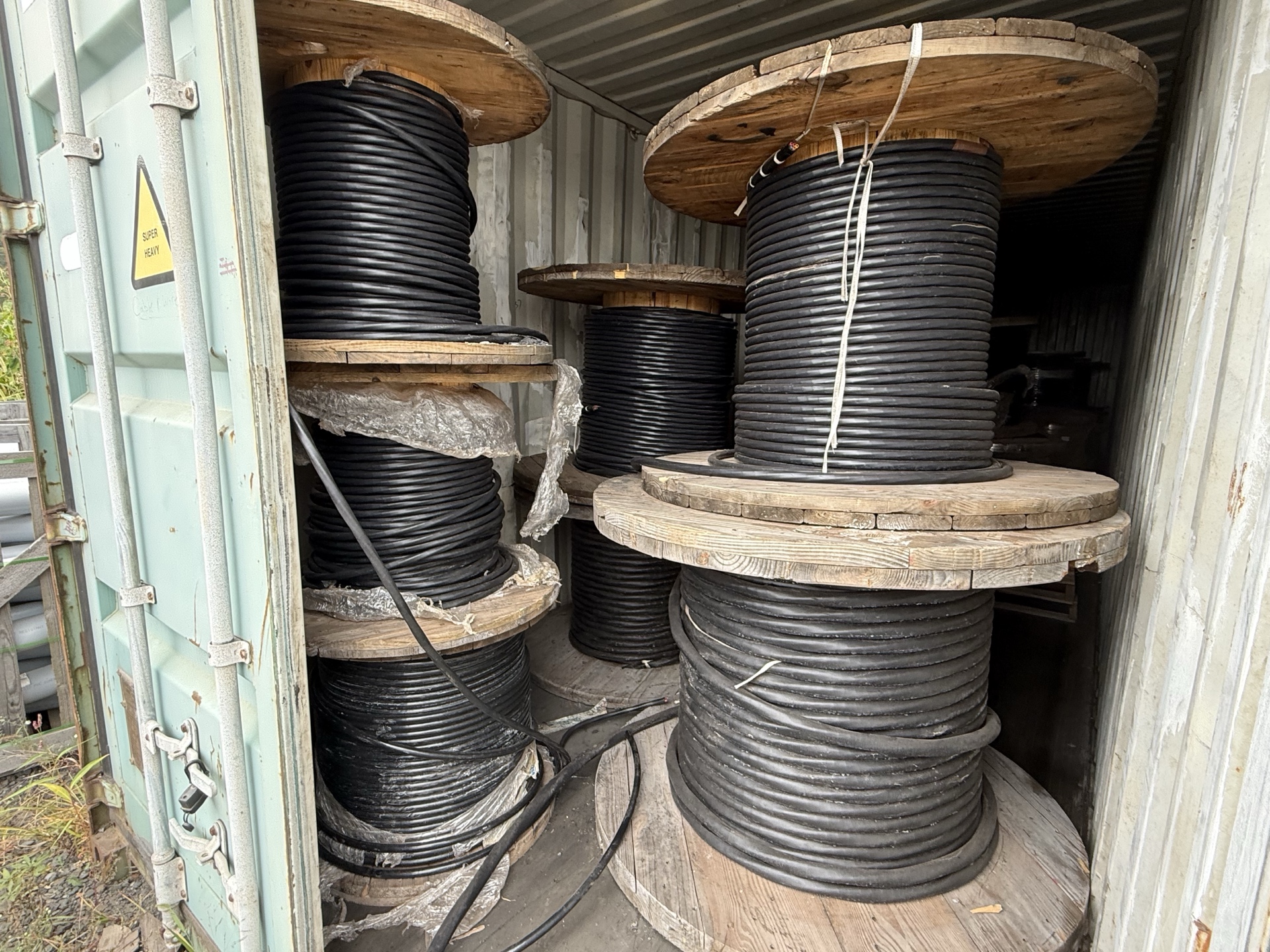
Most sellers assume their material is scrap-grade when a significant part of it is not. Aged reels that have sat outdoors for years frequently still hold perfectly serviceable wire under a dirty jacket. Get an opinion before you act, because the two grades can differ by a factor of several times on the same pallet.
Step 4: get a firm price with the removal terms stated
A price is only meaningful when you know what it includes. Ask explicitly whether the number is firm on arrival, who pays for the truck, who loads, and whether the buyer takes the partial reels along with the full ones. The most common bad outcome is an attractive verbal quote that gets re-traded on the dock once the driver has your material half loaded.
Our terms are the same on every purchase: the number is firm, we pay before the load leaves your property, we bring the truck and the crew, and we take the partials and the odd sizes with the rest so you are not left holding the hard-to-sell remainder.
Step 5: plan access before the truck is dispatched
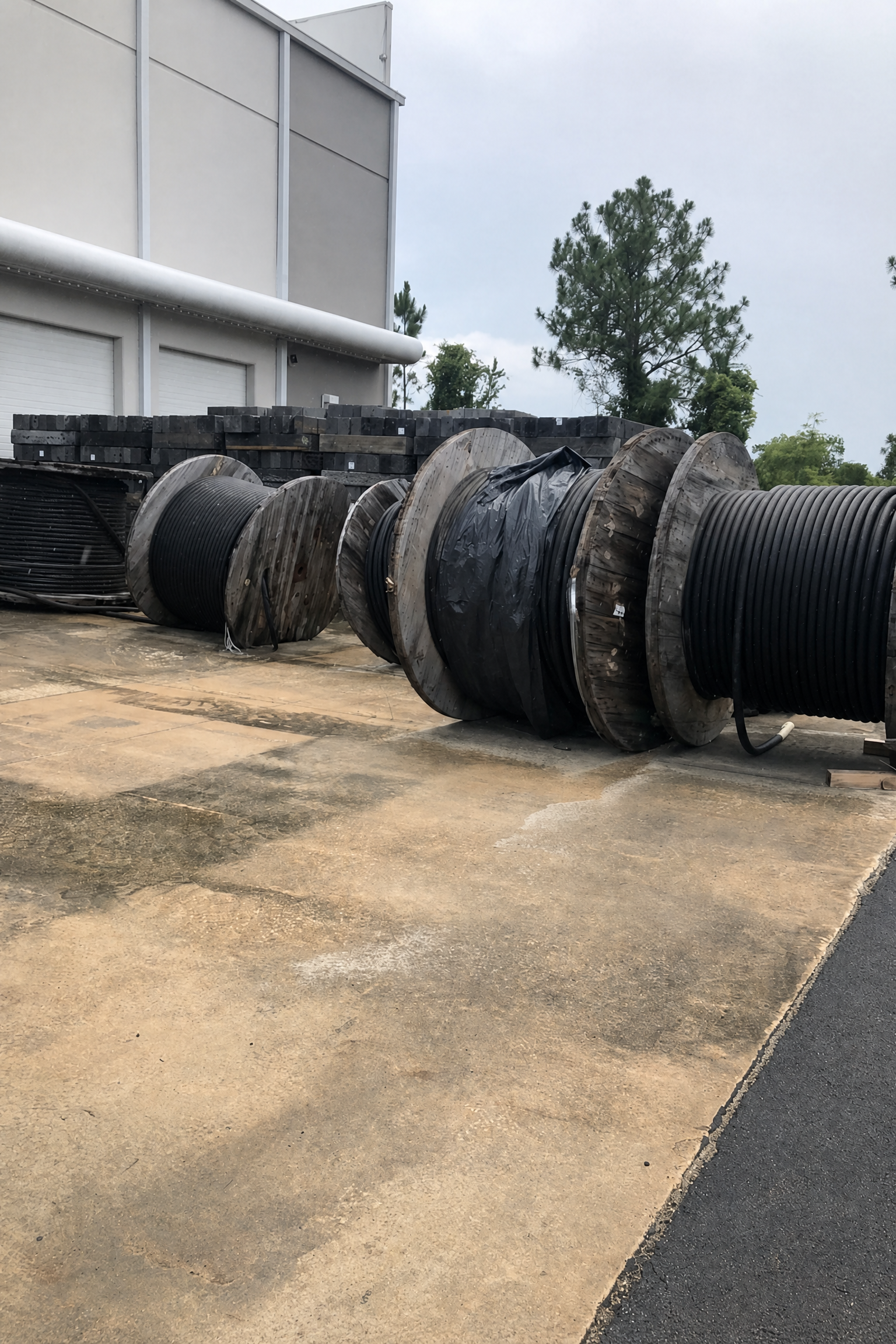
Wire is dense and reels are awkward. A pallet of 500 MCM copper weighs more than most people expect, and a wooden reel that has been rained on for two seasons may not survive being rolled. Tell us up front whether there is a dock or a forklift on site, whether the material is on an upper floor, and whether a full-size trailer can physically reach the yard.
None of this changes your price. It changes what equipment we put on the truck. The only thing that costs money is a wasted trip, so a two minute conversation about access before dispatch is worth having.
Step 6: keep the paperwork
Keep the reel tags, the original purchase paperwork if you still have it, and the bill of sale we issue. For a company writing surplus inventory off the books, that documentation is what makes the disposal clean at the end of the year, and it takes no effort to file at the time of pickup.
Request a Quote
Send a reel tag photo for a same-day number.
More seller guides
Everything we know about selling surplus wire
Wire and cable we buy
Wire and cable only
THHN & THWNGet a quote →
XHHW-2Get a quote →
MC & ACGet a quote →
Romex & NM-BGet a quote →
SER & SEUGet a quote →
Bare CopperGet a quote →
Tray Cable & ControlGet a quote →
AluminumGet a quote →
Fire Alarm & Low VoltageGet a quote →
Welding Cable & Portable CordGet a quote →
Overstock & Cancelled OrderGet a quote →
Scrap Wire & CableGet a quote →Questions sellers ask us
Straight answers
How much is my surplus wire worth?
It depends on size, type, metal and continuous length. Copper building wire in full reels commands the largest premium over scrap; short cut lengths and damaged insulation trend toward metal value. Send reel tag photos and we will give you a firm number the same day.
Do I have to sort or weigh anything?
No. We sort and weigh on our end. Sorting before a sale is unpaid work that does not raise your offer.
Will you take partial reels?
Yes. Partials and cut lengths are bought alongside the full reels rather than left behind.
Questions about your material?
Call or text a reel tag photo. No obligation.
Request Your Quote
Nationwide, upfront payment, freight covered.